Kröv Hotel Collapse: A Community in Shock Amidst Heroic Rescues and Ongoing Investigation
The picturesque Moselle Valley, known for its serene landscapes and world-class vineyards, was plunged into a scene of unimaginable horror and urgent rescue efforts following the sudden collapse of a hotel building in Kröv. This tragic incident, which has gripped the region, has seen a flurry of dedicated emergency responses, desperate searches for survivors, and a complex investigation now underway. Updates from sources like the RLP-Newsticker have kept the public informed as the situation evolved minute by minute, highlighting both the tragedy and the incredible resilience of the human spirit.
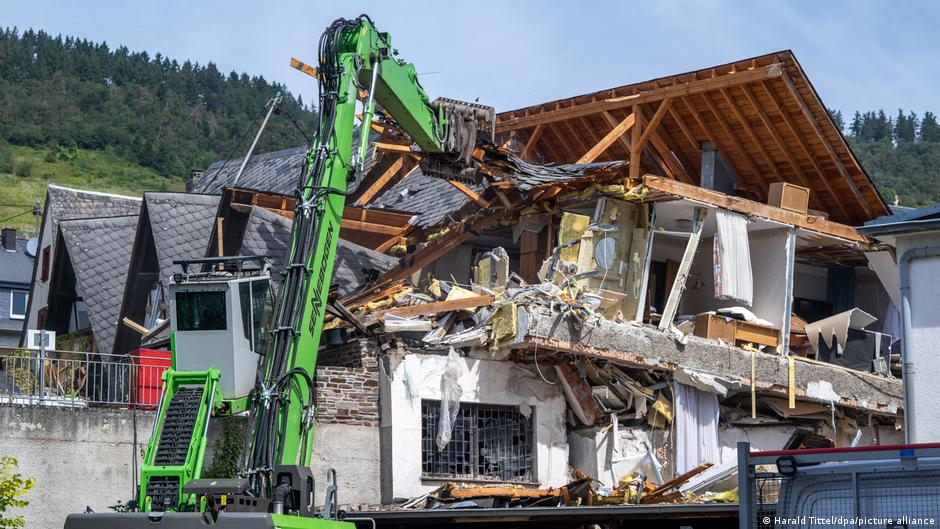
The collapse, which occurred amidst ongoing construction work at the site, turned a tranquil setting into a disaster zone. Emergency services, working tirelessly under perilous conditions, have focused on locating and extracting those trapped beneath tons of rubble. The latest information confirms two fatalities, casting a somber shadow over the recovery efforts, even as several individuals have been dramatically pulled to safety, offering glimmers of hope in the face of devastation. The incident serves as a stark reminder of the critical importance of safety protocols in construction and the unwavering commitment of first responders.
The Catastrophe Unfolds: Initial Reports and a Perilous Rescue Environment
The initial reports of the Kröv hotel collapse sent shockwaves through the local community and across Rheinland-Pfalz. What began as an ordinary day quickly escalated into a full-scale emergency as a significant portion of the hotel structure gave way. The sheer scale of the debris presented an immediate and formidable challenge for rescue teams. Compounding the difficulty was the terrifying reality that the building remained unstable, with early reports indicating that "Das Haus bewegt sich noch" (the house is still moving). This inherent instability meant that every step taken by rescuers was fraught with danger, demanding extraordinary caution and expertise to prevent further collapses or injuries.
Within moments of the disaster, a massive deployment of emergency personnel converged on Kröv. Firefighters, specialized urban search and rescue (USAR) teams, paramedics, and law enforcement officers from across the region mobilised with speed and precision. Their immediate priorities were twofold: to secure the site as much as possible to ensure the safety of rescue workers, and to locate any signs of life within the labyrinthine wreckage. High-tech equipment, including ground-penetrating radar and sniffer dogs, were brought in to assist in pinpointing potential locations of trapped individuals. The gravity of the situation was palpable, creating a tense atmosphere as the race against time began.
Regional leaders, including Minister President Schweitzer, were quick to acknowledge the severity of the situation and the immense efforts being made. "Highly professional and motivated" was the praise directed towards the emergency services, a testament to their unwavering dedication in the face of overwhelming odds. Their coordinated response under such high-pressure conditions exemplified the crucial role an efficient disaster management system plays during catastrophic events. Regular updates, often disseminated through channels akin to an RLP-Newsticker, were vital for informing the public and maintaining transparency during the critical initial hours.
A Race Against Time: Heroic Rescues and Emotional Moments
Amidst the despair, stories of incredible courage and emotional rescues provided much-needed hope. The most poignant of these was the dramatic extraction of a child from the rubble. Rescuers worked meticulously, inch by painstaking inch, to create an escape path, eventually pulling the young survivor to safety. This moment of pure jubilation, witnessed by those on site, underscored the profound human element at the heart of the crisis. Shortly thereafter, the child's father was also successfully rescued, reuniting a family that moments before faced the unthinkable.
The family, hailing from the Netherlands, found themselves caught in this unforeseen nightmare while likely enjoying a stay in the scenic Moselle region. Their rescue, alongside that of another individual, brought a surge of relief and renewed determination to the rescue teams. To aid communication and pinpoint exact locations, specialized teams undertook intricate drilling operations to insert microphones and cameras deep into the debris. This advanced technique allowed rescuers to listen for sounds and visually confirm the presence of survivors, guiding their efforts with greater precision and reducing the risk to both the trapped and the rescuers.
The press conference held in the aftermath provided an opportunity for leaders like Minister President Schweitzer and Ebling to personally thank the Einsatzkräften (emergency forces). Their words highlighted the extraordinary professionalism and motivation demonstrated by every individual involved in the rescue operation. These acknowledgments served not only to commend the heroes on the ground but also to reassure the public that every possible measure was being taken. The emotional weight of these rescues cannot be overstated; they represent a triumph of hope and human collaboration against immense destruction, a narrative often highlighted by timely regional news services like the Rheinland-Pfalz News: Legal Battles & Community Incidents Reviewed.
The Lingering Questions: Investigation and Aftermath
While the immediate focus remains on rescue and recovery, the tragic Kröv hotel collapse has quickly transitioned into a serious investigative phase. With the confirmation of two fatalities, a Todesermittlungsverfahren (death investigation procedure) has been formally initiated. This critical step seeks to determine the exact cause of death for the victims and to uncover any potential criminal culpability related to the incident. Such an investigation is comprehensive, involving forensic analysis, structural engineering assessments, and a review of all relevant documentation.
A key piece of information emerging from the initial reports points to "Bauarbeiten am Gebäude" (construction work on the building) prior to the collapse. This detail immediately raises questions about the nature of the work, the permits issued, the structural integrity assessments conducted, and the safety measures in place. Investigators will meticulously examine construction plans, safety reports, and the conduct of all parties involved, from the property owner to the contractors and supervising engineers. Expert analysis will be crucial in determining whether the collapse was due to unforeseen circumstances, structural failure, or potentially, negligence or errors during the construction process.
The findings of this investigation will have far-reaching implications, not only for those directly involved but potentially for construction regulations and oversight within the region. Ensuring building safety is paramount, and every lesson learned from this tragedy will contribute to preventing future incidents. The community of Kröv now faces a difficult period of healing and rebuilding, both physically and emotionally. The ongoing updates, akin to what one would expect from a comprehensive rlp newsticker, will continue to follow this story as the investigation progresses and the community attempts to come to terms with its profound loss.
Community Impact and Future Outlook
The Kröv hotel collapse has left an indelible mark on the small, close-knit community. Beyond the immediate tragedy, the incident impacts local tourism, a vital economic driver for the Moselle Valley. Hotels and guesthouses are the lifeblood of this picturesque region, and an event of this magnitude can understandably stir concerns among visitors. However, the outpouring of support and the professional response by emergency services demonstrate the region's resilience and commitment to safety.
Looking ahead, the recovery process will be extensive. It involves not only the physical clearing of the site but also providing psychological support for survivors, victims' families, and even the first responders who witnessed unimaginable scenes. The long-term implications of the investigation will be crucial for understanding accountability and implementing any necessary changes to construction and safety protocols. The hope is that through transparency and thoroughness, the community can find closure and reinforce its dedication to upholding the highest standards of safety for residents and visitors alike.
While the region deals with the aftermath of the Kröv collapse, life, as reported by various regional news outlets, including the broader coverage offered by an rlp newsticker, continues. Stories of resilience, community spirit, and new initiatives—such as the popularity of Mosel aquabikes or the start of the school year—offer a counter-narrative to the tragedy. These diverse news items remind us that even amidst challenging times, life in Rheinland-Pfalz continues to evolve, reflecting a dynamic region facing various daily realities, from legal battles to community incidents, as highlighted by Rheinland-Pfalz News: Legal Battles & Community Incidents Reviewed.
The Kröv hotel collapse stands as a profound reminder of the fragility of life and the critical importance of safety, particularly in construction. While the full scope of the tragedy and its causes are still under investigation, the dedication of the rescue teams and the outpouring of support from the community offer a testament to human solidarity. As the region moves forward, relying on accurate and timely information from sources like the rlp newsticker will be essential for staying informed about the investigation's progress and the long-term recovery efforts in Kröv.